EU Digital Product Passport in 2027: what brands shipping physical product need to know
The Digital Product Passport is the biggest regulatory shift to hit consumer goods this decade. Here's the practical version — what's required, who's affected, and what the smart brands are already doing with it.
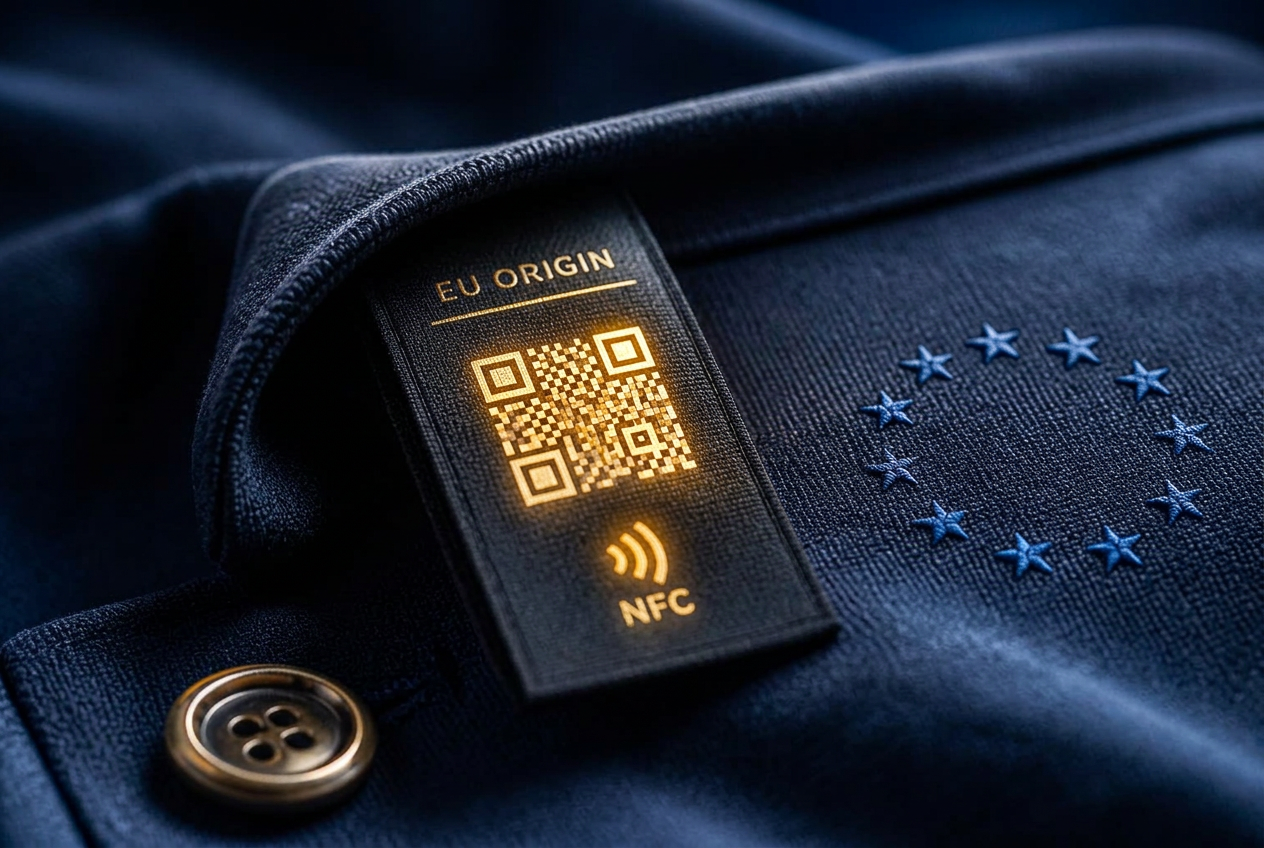
The European Union's Digital Product Passport (DPP) is the most consequential consumer-goods regulation to land in the last twenty years. By 2027, the majority of physical products sold into the EU will be required to carry a machine-readable record of their identity, materials, repairability, and end-of-life pathway. For apparel, electronics, batteries, and a fast-widening list of categories, the question is no longer if — it is how.
This is also, quietly, the largest fan-engagement opportunity of the next decade. Every product covered by the DPP will need a data carrier — a QR code, an NFC chip, or both — on every unit shipped. That carrier resolves to a web page. That web page is, by default, a compliance document. It can also be, with very little additional effort, the start of a relationship between the brand and the person holding the product.
What the regulation actually says
The DPP sits inside the broader Ecodesign for Sustainable Products Regulation (ESPR), adopted by the EU in 2024. ESPR replaces the older Ecodesign Directive and extends its scope from energy-using products to almost all physical goods. The DPP is the mechanism through which ESPR is enforced: a per-product digital record, accessed through a data carrier, that contains:
- A unique product identifier (typically a GS1 GTIN plus serial).
- Composition and material content, including substances of concern.
- Origin, manufacturer, and supply-chain provenance.
- Repair, refurbishment, and dismantling instructions.
- End-of-life and recycling guidance.
- Performance and durability information where relevant.
Who is in scope, and when
The Commission is rolling out the DPP by delegated act, one product category at a time. The confirmed first waves are textiles, batteries, electronics, furniture, and construction products. Industry guidance suggests:
- Batteries — first to land, with requirements active from February 2027.
- Textiles and apparel — no binding deadline yet. The published target is Q4 2027 for the delegated act, followed by a transition period.
- Electronics and ICT — phased through 2027–2029.
If you ship apparel, fashion merchandise, sports kit, branded accessories, or consumer electronics into the EU, you are inside the first wave. There is no soft launch. The requirement is per-unit, not per-SKU.
The smart read: compliance is the floor, not the ceiling
Most brands are scoping the DPP as a pure compliance project — a line item in operations, owned by a regulatory or sustainability lead, judged by the cost of not getting fined. That framing leaves the larger prize on the table.
Every DPP carrier is a tap-point. Every tap-point is an entry to the consumer relationship. The brands moving fastest right now are the ones treating the data carrier as a dual-purpose asset: a compliance record on one side, a fan-engagement surface on the other. Same chip, same URL, two outcomes.
A tap that satisfies a regulator and identifies a fan in the same second is the single most valuable square millimetre of label space in apparel.
What "dual-purpose" looks like in practice
- The DPP page leads with consumer-friendly content (drop story, behind-the-scenes, rewards) and surfaces the regulatory record below.
- The data carrier is an NFC chip with cryptographic signing (NTAG 424 DNA), so the same tap also serves as anti-counterfeit verification.
- Tap events feed first-party fan data into the brand's CRM, alongside the compliance audit trail.
- The same carrier carries through the second-hand market — re-sale, repair, and resale attribution all flow back to the original brand.
What to do in the next 12 months
- Decide on your carrier strategy. NFC, QR, or both. QR is cheap and universal; NFC is premium, faster, and counterfeit-resistant. Most serious programmes use both — NFC as the headline, QR as the visible fallback.
- Pick an identifier system. GS1 Digital Link is the de facto standard and what regulators will accept by default.
- Resolve the data-ownership question. The passport data has to live somewhere. Either you host it, your platform partner hosts it, or you pay a third party to host it indefinitely. This is a multi-decade commitment.
- Run a connected pilot, not a compliance pilot. Spend the budget once. Get the compliance record and the fan identity in the same project.
The bottom line
The DPP is a cost if you treat it as one. It is a moat if you treat it as a relationship. The brands that emerge from 2027 with millions of identified, opted-in product owners will have done it with the budget their finance team already approved for compliance.